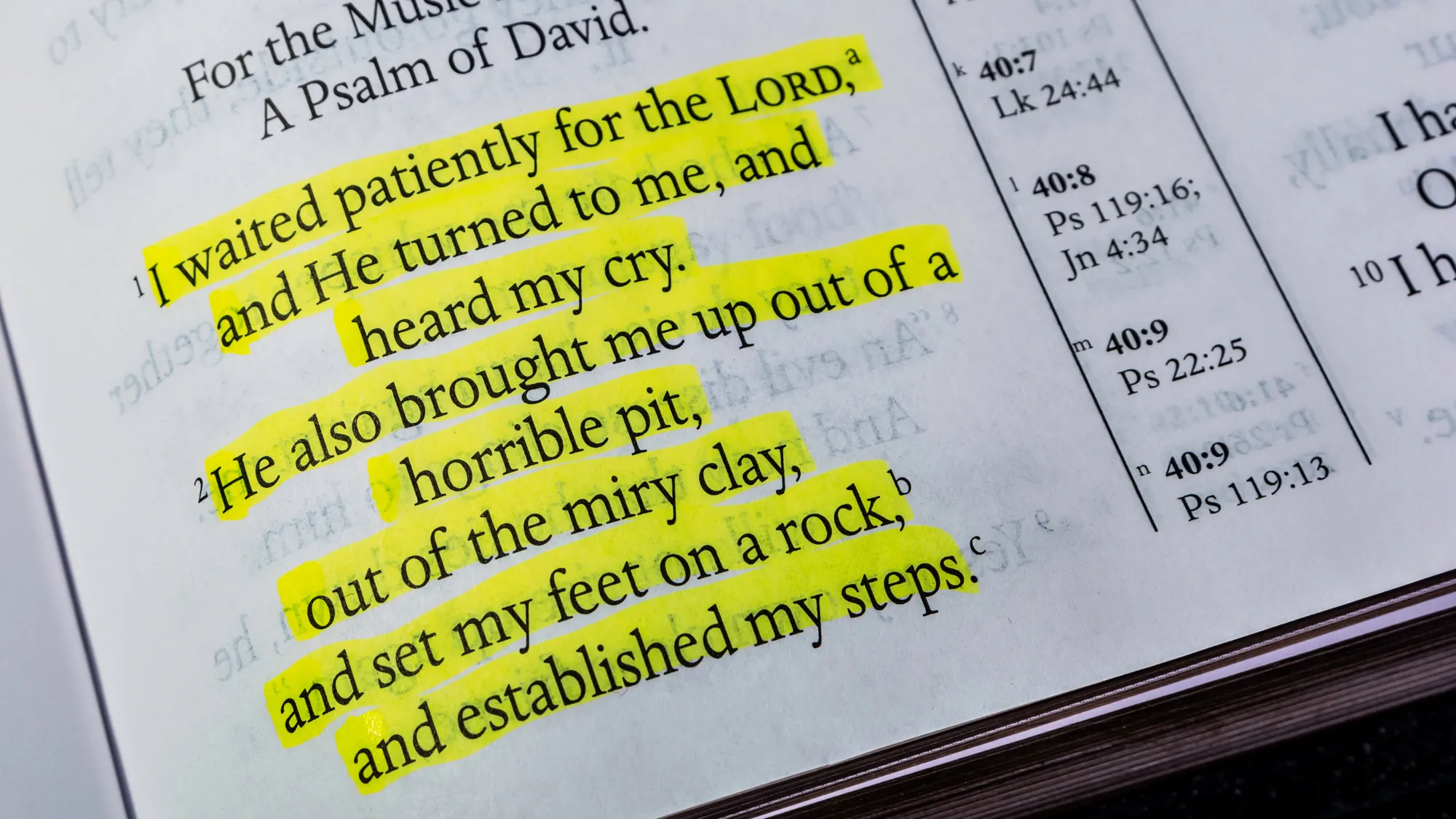
The measure of discipleship is not merely what a person has received,
but how faithfully that person lives it and entrusts it to others.- Jason Dillingham
Pastor, what happens after your sermon?
Your congregation hears the Word.
But are people understanding Scripture for themselves, obeying Jesus in everyday life and helping others grow spiritually?
If that transition isn't happening consistently, the answer may not be to work harder or add another program.
It may be time to rethink the process.
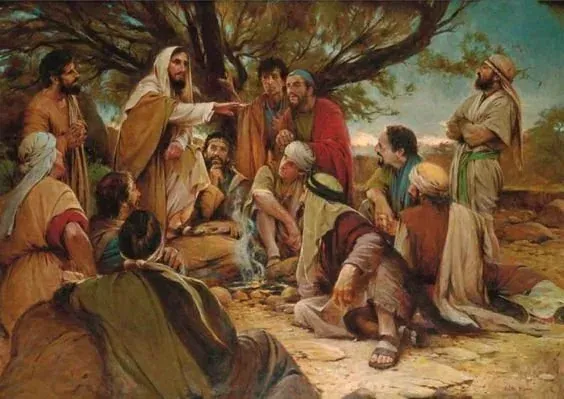
Jesus gave His life to more than delivering great teaching. He formed disciples. He called people to follow Him, taught them through word and example, involved them in ministry, and prepared them to continue His mission.
His command was not to create listeners or even believers.
It was to make disciples.At Kingdom Discipleship, we want to help pastors and churches recover the intentional, reproducible nature of that calling.
Not more activity for the sake of activity. Not information without transformation. A clear biblical process for developing people who can follow Jesus and help others follow Him.
Because the work of discipleship isn't complete when the lesson ends.
It continues when the Word takes root in a person's life - and that person begins helping someone else grow.
Connect with me and let's explore what that could look like in your church.
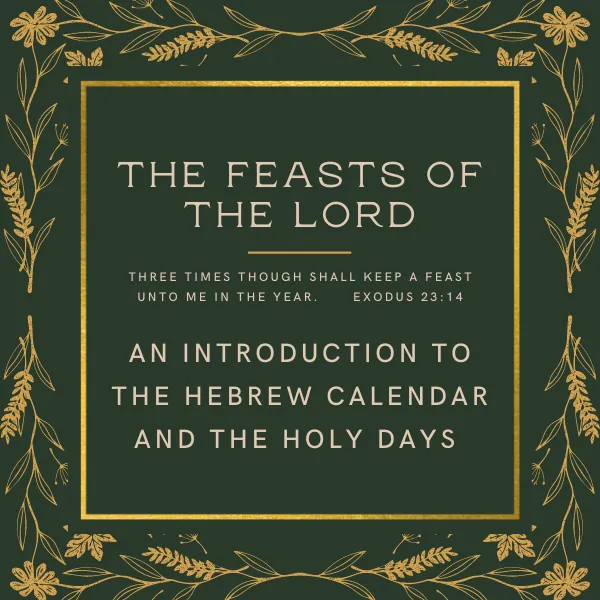
Keeping The Feasts of YHVH
The Feasts of the LORD serve as a yearly reminder that YHVH wants to meet with His people. These appointed times (Modedim) also serve as a prophetic time line of Messiah’s Kingdom.
Hellenism &
The Kingdom of God
Who were the Pharisees, Sadducees and Scribes we read about in the Bible? Have we misunderstood Jesus' proclamation of the Gospel? What is the Gospel (Euangelion) to a First Century Jew?
Listen in as we discuss the different religious groups and their perspective of the Gospel.
Visit Our YouTube Channel
Kingdom Discipleship has a YouTube channel with video resources that make learning, studying or teaching the Bible more engaging and effective.
Subscribe to our channel and get in depth Bible teaching from Pastor Jason.

The Role of the Local Church
We believe the local church is an important place for believers to gather, grow, serve, and become equipped.
We are not opposed to church buildings, Sunday gatherings, organizational structures, or ministry programs. These things can serve valuable purposes.
Our concern is that structures and systems can gradually become the focus rather than the people and purposes they were intended to serve.
A church can become very effective at organizing services, maintaining facilities, attracting attendance, and delivering information while still struggling to produce mature, reproducing disciples.
We believe churches must reconsider what they are ultimately trying to produce.
The Sunday gathering and public teaching can be valuable opportunities to equip believers, but intentional disciple-making requires relational investment beyond the gathering.
Pastors and leaders should consider how they can identify spiritually hungry people, invest in them intentionally, and develop them to reproduce the same process.
This does not necessarily require a new program or an immediate organizational restructuring.
It may begin with a pastor selecting one or two faithful, available, and teachable people and intentionally investing in them.
As those people mature and begin developing others, the fruit becomes visible.
We do not believe a believer needs formal pastoral approval to obey Jesus’ commission to make disciples. At the same time, we desire to strengthen the local Church, not compete with it or pull people away from it.
The Church Must Move Beyond Its Walls
We believe the Church was never intended to confine its ministry to a building or weekly gathering.
The Body of Christ should spill out into homes, workplaces, coffee shops, public spaces, neighborhoods, communities, and nations.
Disciples should be learning, teaching, serving, praying, ministering, and developing others wherever God has placed them.
As this process reproduces, disciple-making becomes a normal part of everyday Christian life rather than something reserved for organized ministry events.
We envision believers meeting regularly with others, studying Scripture, helping one another grow, and intentionally passing on what they have learned.
We want to see this become so commonplace that people who do not yet know Christ begin noticing the difference and asking what is happening.
The visible life of Christ in His people should become an invitation for others to discover Him.
Our Current Burden: A Plea to the Church
In this season, we believe God is asking us to make a plea to churches and their leaders.
We believe there is a better way to develop the people God has entrusted to the Church.
For decades, many churches have invested enormous effort into services, programs, teaching, and organizational structures. These things may have value, but we must honestly ask whether they are accomplishing what Jesus intended.
- Are we producing people who are becoming mature in Christ?
- Are we developing believers who can carry His ministry into the world?
- Are we equipping disciples who are intentionally making other disciples?
- Or have we become comfortable with a model in which people receive spiritual information week after week without ever being trained to reproduce it?
We believe the first step is to reconsider what Jesus meant by a disciple.
We must return to the Gospels, examine what Jesus actually did, and allow His example to challenge our assumptions.
Then we must begin taking practical steps to establish intentional disciple-making within our fellowships, small groups, and personal relationships.
This does not have to begin with a massive organizational change.
It can begin with one pastor, one or two spiritually hungry people, a commitment to Scripture, and an intentional investment in developing people who will develop others.
Over time, the fruit of that investment can spread far beyond the original relationship.